Bail Bondsman Training in Scranton, PA: Real-World Experience Counts
Thinking about becoming a bail bondsman? It might seem like a fast-paced career with strong earning potential and a chance to make a real impact, but it’s not just about filling out forms. You need to understand legal procedures, communicate under pressure, support families in crisis, and make smart decisions when it really counts. That’s why real-world training is so important before you start working with clients, and why structured bail bondsman training can boost your confidence and professionalism.
In this guide, we’ll explore what bail bondsman training should include, why classroom theory isn’t enough, and how practical experience helps you avoid costly mistakes. We’ll also discuss the responsibilities of the role, the skills clients expect, and the value of learning from real case scenarios before you dive in. For a broader understanding, you might find the U.S. Courts overview of bail and pretrial release a useful starting point to understand the larger legal framework.
What a Bail Bondsman Actually Does
More than just posting bail
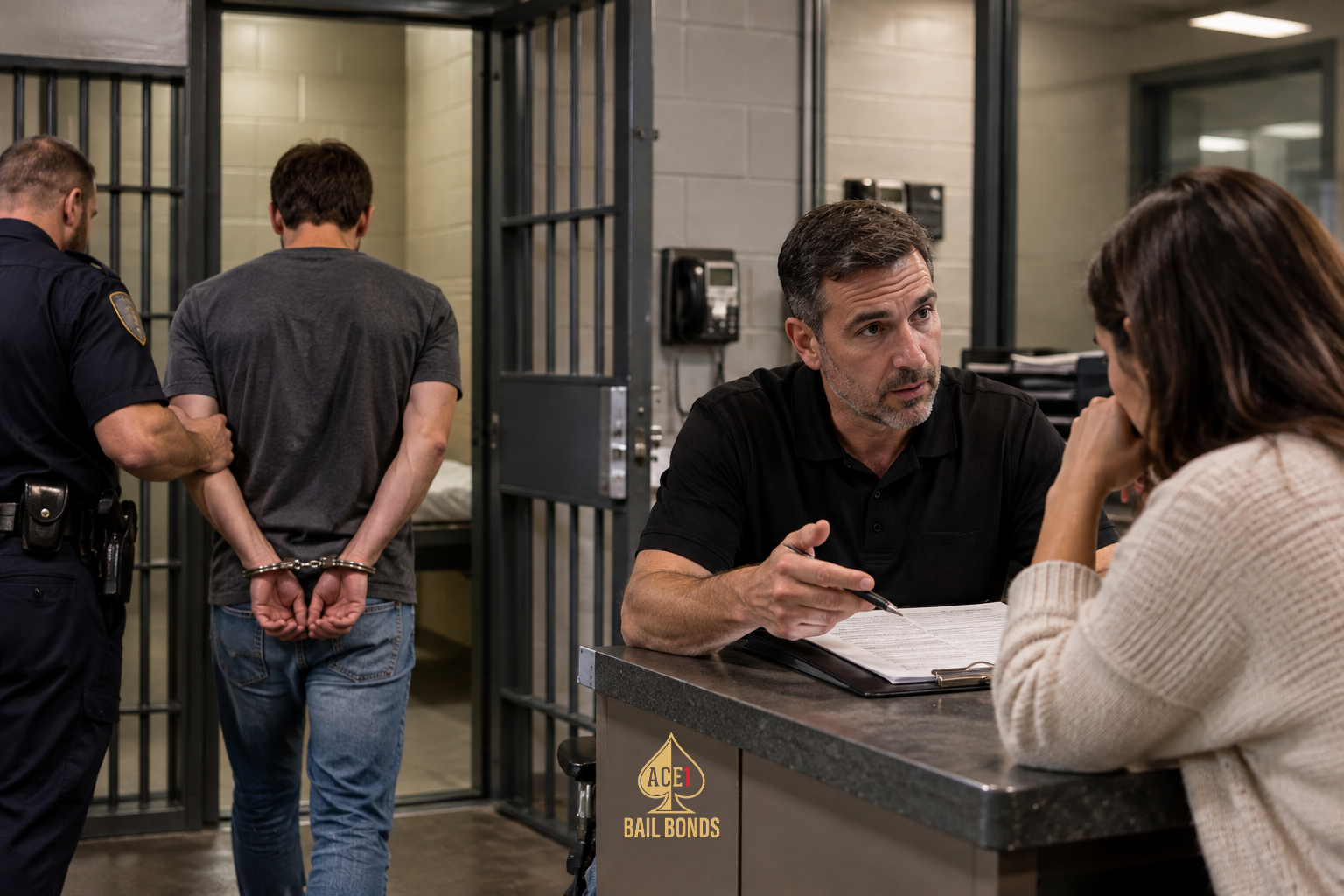
A bail bondsman does more than just hand over money. The job involves evaluating risk, explaining bond terms, coordinating with correctional facilities, gathering paperwork, and helping clients understand the next steps. Often, you’ll be the main point of contact for families who are already overwhelmed, so being accurate and calm from the start is crucial. This is why a realistic understanding of the workflow is important before you start serving the public.
Client support in stressful moments
Clients usually reach out to a bondsman during one of the most stressful times in their lives. They might not know how bail works, what the next step is, or how much time they have before release. As a trained professional, you need to answer questions clearly and quickly without adding confusion. If you want to see how support continues beyond the initial call, our in-court assistance service shows how steady guidance can help people stay organized throughout the legal process.
Why local knowledge matters
Every court, jail, and county system has its own way of doing things. A bondsman who understands these details can work more efficiently and communicate more effectively with families. Local knowledge can also help reduce errors and avoid unnecessary delays in release. That’s one reason practical training should include real-world exposure to filing timelines, facility expectations, and courtroom etiquette instead of just general industry concepts.
Why Classroom Learning Is Not Enough
The gap between theory and practice
Textbooks and lectures can explain definitions, but they can’t fully prepare you for the pressure of live client interactions. You might understand what a bond is, yet still struggle when a family calls late at night, the paperwork is incomplete, or the jail requires a different form than expected. Real-world training bridges that gap by showing how the process works under actual conditions, not just in simplified examples.
Decision-making under pressure
In high-stress situations, small mistakes can become expensive or delay release. If you’ve only studied theory, you might not know how to prioritize tasks when multiple calls, documents, and deadlines happen at once. On-the-job learning helps you develop the judgment needed to stay calm, verify details, and keep the process moving. This experience is especially valuable when a case is complicated or time-sensitive.
Understanding consequences before they happen
Client service in the bail industry carries serious responsibility. If you misunderstand a procedure or give inaccurate information, the result can be confusion, missed deadlines, or legal complications. Real-world training allows you to observe these consequences in a controlled setting before you’re accountable for the outcome yourself. This kind of preparation protects both the client and the business.
Core Skills Every New Bondsman Must Build
Communication that builds trust
Clients need simple explanations, not industry jargon. A good bondsman can translate legal language into clear next steps so families know what to expect. Training should include role-play, client call practice, and examples of how to explain bond terms without sounding rushed or dismissive. Strong communication also helps prevent misunderstandings that can lead to frustration or noncompliance later.
Organization and recordkeeping
Paperwork is a major part of the job, and disorganization can create real problems. Bondsmen must keep track of applications, signatures, fees, court dates, and release conditions. Practical training should teach how to create a reliable filing system, double-check entries, and document every important step. Without that habit, even a capable bondsman may struggle to manage multiple active cases at once.
Professional judgment and discretion
Not every situation is simple, and not every client interaction is comfortable. A bondsman needs to recognize when to slow down, ask follow-up questions, or seek clarification before moving forward. Real-world training teaches the value of discretion, especially when handling confidential information. It also helps future professionals understand how to remain respectful and composed even when a conversation is tense.
Stress management and patience
The work can be unpredictable, with calls coming in after hours or during family emergencies. A future bondsman should learn how to stay focused while managing urgency. Training that includes live examples, shadowing, and mentor feedback helps build confidence under pressure. Over time, that experience makes it easier to serve clients consistently rather than reacting emotionally to every new challenge.
What Real-World Training Should Include
Shadowing experienced professionals
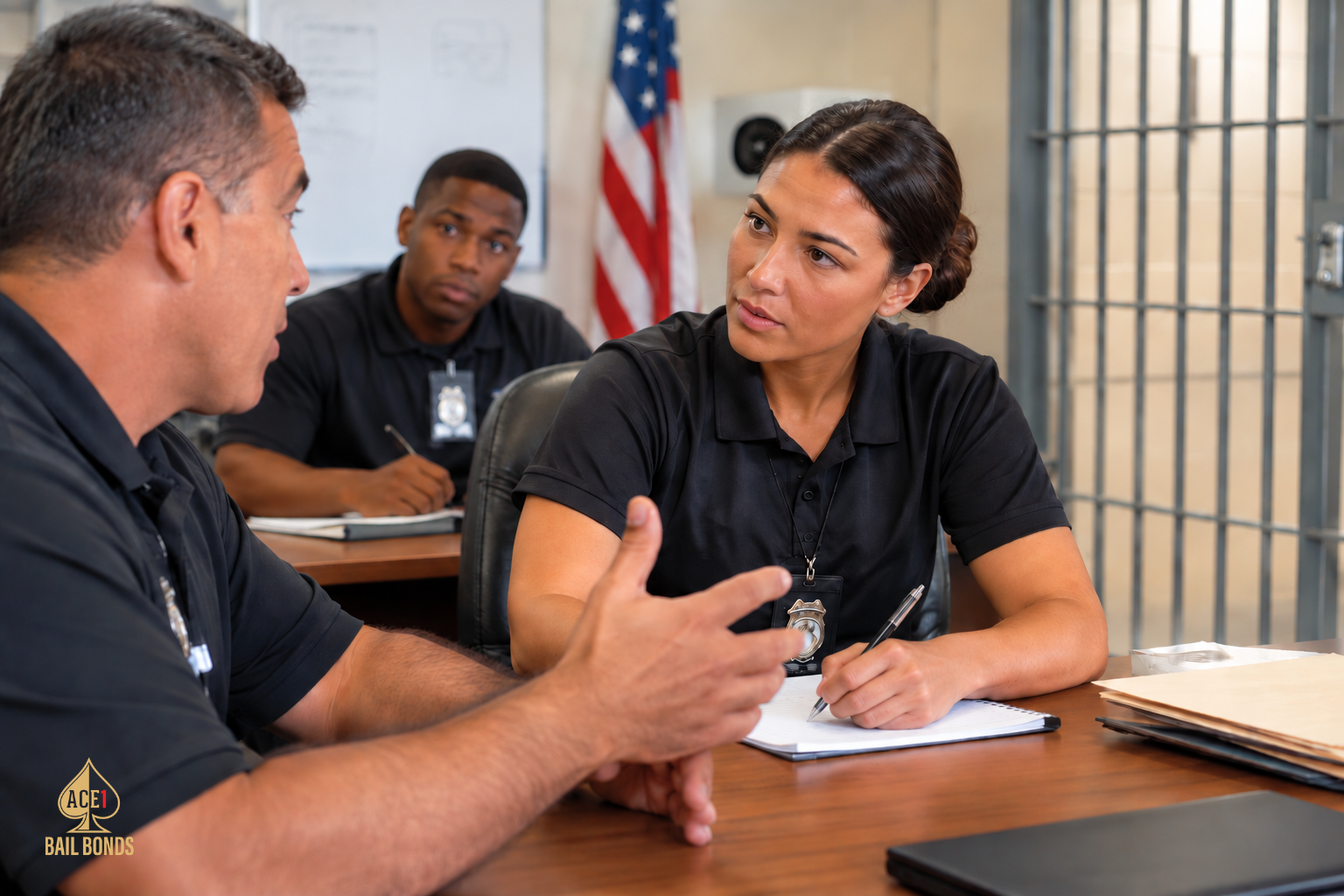
One of the best ways to learn the job is to observe someone who already works in the field. Shadowing shows how a seasoned bondsman communicates, handles paperwork, and responds to unexpected issues. It also gives trainees a chance to see the pace of the work and how many moving parts are involved in a single case. This kind of learning is often more memorable than classroom instruction alone because it shows the human side of the profession.
Hands-on case walkthroughs
New trainees should work through real or realistic examples from beginning to end. That includes gathering information, completing forms, explaining terms, and identifying common mistakes. A structured walkthrough helps future bondsmen understand the sequence of events and the purpose behind each step. It also creates a safe place to ask questions before the pressure of an actual client call arrives.
Facility and court exposure
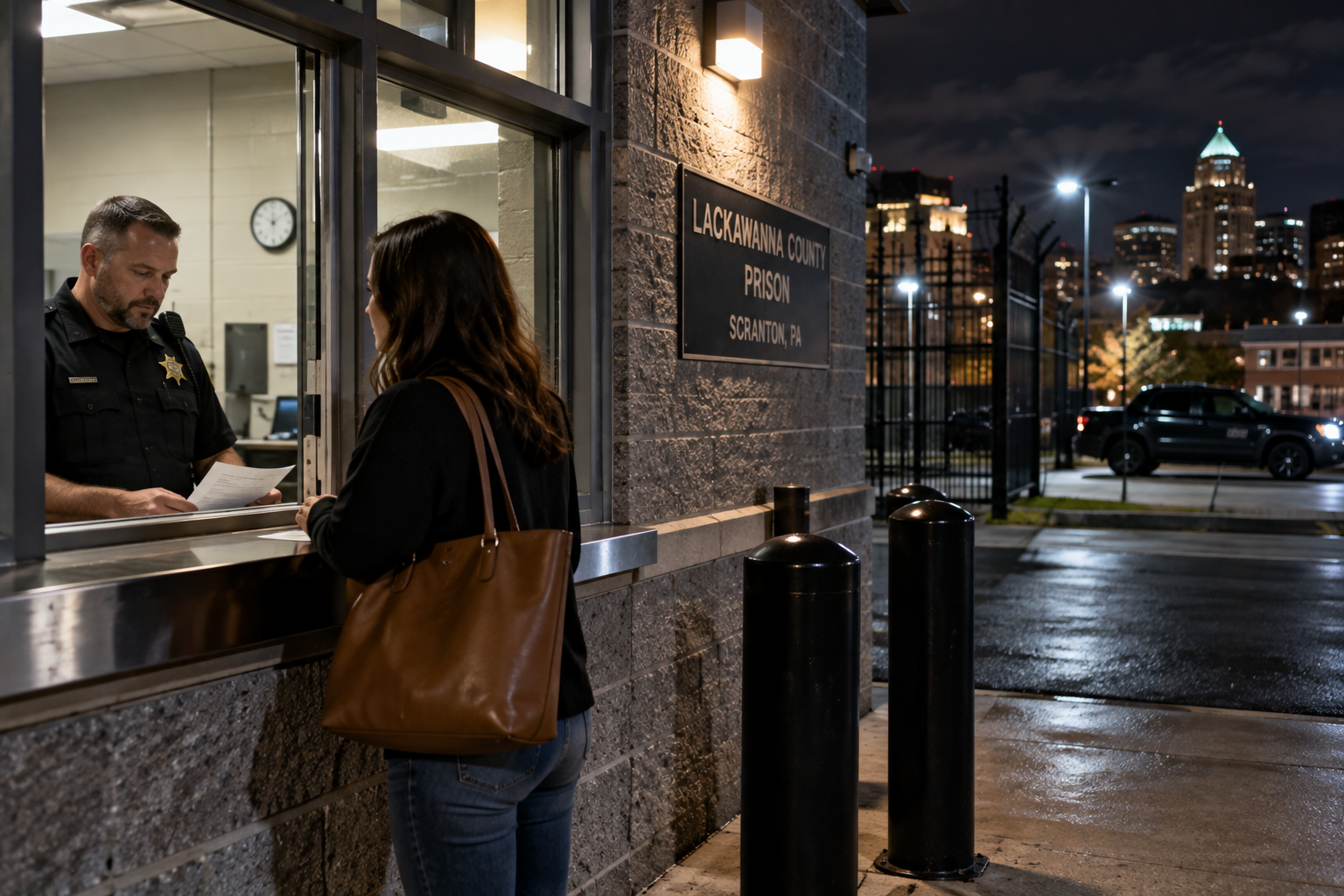
It’s one thing to read about correctional facility procedures; it’s another to see them in practice. Real-world training should include exposure to court processes, jail intake procedures, and release coordination. For those who want to understand how official procedures affect release timing, the North Carolina Judicial Branch’s bail and pretrial release resource offers a useful example of how courts explain these steps to the public.
Mentorship and feedback
Feedback is essential for growth. Trainees should receive direct coaching on what they did well, where they made mistakes, and how to improve. A good mentor does more than assign tasks; they explain reasoning, point out patterns, and help a new professional build habits that last. That support can shorten the learning curve and reduce the chance of repeating errors once the trainee begins working independently.
Common Mistakes New Bondsmen Make
Assuming every case is the same
One of the biggest mistakes is treating each case like a copy of the last one. In reality, every client has a different background, schedule, paperwork history, and level of understanding. A new bondsman who relies too heavily on a standard script can miss important details and frustrate the client. Real-world training helps future professionals learn how to adapt instead of assuming a one-size-fits-all approach.
Rushing the explanation process
When a client is anxious, it can be tempting to move quickly through the basics. However, rushing often confuses later, especially if the client does not fully understand court obligations or bond terms. Training should emphasize the importance of slowing down long enough to confirm understanding. That extra minute at the beginning can prevent bigger problems after release.
Overlooking follow-up responsibilities
The work does not end when the client is released. Bondsmen often need to remain available for questions, reminders, or next-step coordination. A new professional who forgets this can damage trust and miss opportunities to support the client properly. Real-world experience teaches that follow-up is part of the service, not an optional extra.
Not preparing for emergencies.
Unexpected issues happen, such as missing documents, delayed processing, or incomplete information. A well-trained bondsman knows how to respond without panicking. Practical training should include examples of what to do when the plan changes at the last minute. That preparation improves resilience and keeps the process moving when time is tight.
How Training Helps You Serve Clients Better
More confidence in difficult conversations
Confidence is not about sounding flashy or memorizing scripts. It comes from knowing the process well enough to answer questions honestly and calmly. A professionally trained bondsman can explain options, clarify responsibilities, and guide clients without sounding uncertain. That confidence reassures families and makes the service feel more dependable.
Better judgment in fast-moving situations
A trained bondsman can recognize when a situation needs immediate attention and when it can be handled with patience. That judgment is built through repetition and observation, not guesswork. It helps a professional make smarter choices, reduce errors, and support the client in a way that fits the situation. In an industry where timing matters, that skill can be just as important as technical knowledge.
Stronger reputation and referrals
People remember how they were treated during a hard time. When clients feel respected, informed, and supported, they are more likely to recommend the service to others. Real-world training helps future bondsmen develop the habits that create positive experiences. If you are comparing support options, our bail bond services page shows how client-first service is built around speed, clarity, and steady communication.
Professionalism that lasts
Good habits learned early often become long-term strengths. Training that emphasizes real situations, not just theory, helps new bondsmen build a professional style that is consistent and reliable. That means better client service, fewer avoidable mistakes, and a stronger foundation for future growth. It also makes it easier to work confidently with courts, facilities, and families.
How to Choose the Right Training Program
Look for practical experience, not just lectures.
Not all training programs are created equal. Some focus heavily on legal definitions but offer little real exposure to case, client communication, or operational tasks. A stronger program includes role-playing, shadowing, and guided practice. Before you enroll, ask how much of the training is hands-on and whether you will learn from real case scenarios.
Ask about mentorship and support
A quality training program should include access to someone who can answer questions and explain the reasoning behind each step. Mentorship can be the difference between memorizing information and actually understanding how to use it. It is also helpful to ask how often feedback is provided and whether trainees can review examples of completed paperwork or case coordination.
Check for relevance to your local market.
If you plan to work in a specific region, training should reflect the realities of that market. Court expectations, release procedures, and client needs can vary from place to place. A program that includes local context will prepare you better than one that only covers general industry concepts. For readers interested in learning how training can be shaped around community needs, Ace1 Bail Bonds LLC also offers local service support in Downtown Scranton and nearby areas.
Evaluate the quality of communication training
Many new bondsmen underestimate how important communication is to the job. A strong training program should teach how to explain bond terms, handle emotional conversations, and respond respectfully when people are under pressure. Ask whether the program includes client-facing practice and whether it helps trainees learn how to stay composed during difficult calls.
Why Industry Knowledge Helps You Avoid Legal and Ethical Problems
Understanding boundaries and compliance
Bail work sits close to the legal system, which means compliance matters. A responsible bondsman must understand boundaries, company policies, and the importance of accurate documentation. Training should reinforce that cutting corners is never worth the risk. The more a trainee understands the rules, the more likely they are to protect clients, the business, and their own reputation.
Respecting privacy and confidentiality
Clients often share personal details during a difficult moment, and that information must be handled carefully. Real-world training teaches future bondsmen how to protect privacy and communicate only what is necessary. It also reinforces the professional mindset needed to keep client information secure in conversations, records, and follow-up work. That trust is central to the business.
Learning the impact of pretrial release
It helps to understand the broader legal context behind bail. Pretrial release affects not only a person’s immediate freedom but also their ability to work, care for family, and prepare for court. For a broader national overview of bail reform trends and legal research, the National Institute of Justice provides valuable educational material. That kind of knowledge helps a new bondsman explain the importance of compliance with more clarity and confidence.
Frequently Asked Questions About Becoming a Bail Bondsman
Do I need experience before training?
Not always, but a willingness to learn is essential. Many people enter the field with limited exposure and develop their abilities through mentoring and hands-on practice. What matters most is whether the training program gives you real opportunities to observe, ask questions, and practice the tasks you will eventually perform with clients.
How long does it take to feel ready?
Readiness depends on the quality of the training and how much practice you get. Some people gain confidence quickly, while others need more time to become comfortable with paperwork, communication, and workflow. The key is not rushing the process. The more realistic the training environment, the better prepared you will be when real cases come in.
What is the biggest challenge for beginners?
Many beginners struggle with balancing urgency and accuracy. They want to help quickly, but they also need to verify details and follow proper procedure. That balance is learned over time through repetition, feedback, and exposure to real cases. A strong training program helps build that balance gradually so you can work efficiently without sacrificing quality.
Is this a good career for people who like helping others?
Yes, especially if you are patient, organized, and comfortable working with people in stressful situations. The role is service-oriented, and good bondsmen often become a source of reassurance for families. If that sounds like work you want to do, practical training can help you build the skills needed to serve people well and responsibly.
Final Thoughts: Learn the Job the Right Way
Real-world training creates better professionals
Becoming a bail bondsman is about more than understanding terminology. It is about learning how to guide people through a difficult process with confidence, accuracy, and respect. Real-world training gives future professionals the experience they need to make smart decisions, avoid preventable mistakes, and communicate clearly when clients need help most. It is one of the best investments you can make before working independently.
Take the next step with confidence
If you are serious about entering the field, look for training that combines practical case experience, mentorship, and local knowledge. That foundation will help you develop the skills that matter most in real client situations. To learn more about preparing for the industry or to explore support services that reflect the same client-first approach, visit our bail bondsman training service or contact Ace1 Bail Bonds LLC for guidance. The right preparation does not just teach you the job; it helps you do the job well from day one.