Understanding the Time Between Arrest and Bail
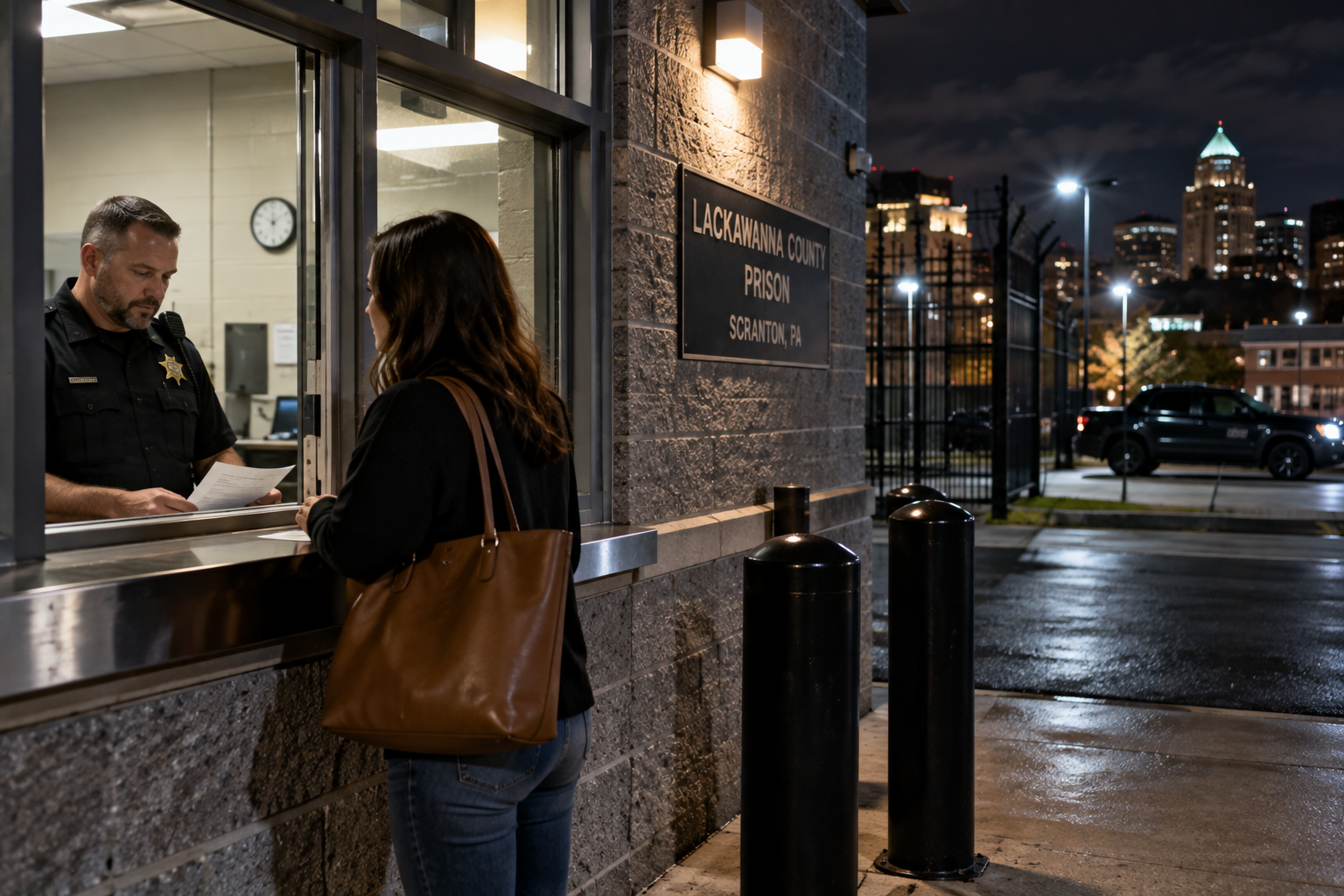
When someone gets arrested, families of ten wonder how long they'll be in jail before bail is set. It's not a one-size-fits-all answer because it depends on several factors, like local laws, the charges, and the court's schedule. Sometimes, a judge sees the defendant quickly, but other times, it might take longer, which can be really stressful. If you're trying to figure out what happens from arrest to bail, our step-by-step guide to what happens after an arrest in Scranton is a great place to start.
Beyond the legal stuff, there are practical concerns like missing work, childcare issues, and the stress of waiting in jail. That's why understanding how pretrial detention and arraignment work is so important. Research from organizations like The Bail Project shows that people sometimes spend days in jail before a bail hearing because of overloaded systems or limited court schedules.
Locally, it's helpful to focus on what's happening in northeastern Pennsylvania. Quick communication and support can make a big difference. Services such as bail bond services and in-court assistance are often used to help families stay organized and respond quickly once bail is set.
What Actually Determines When Bail Gets Set?
The Nature of the Charges
The seriousness of the charges plays a big role in how quickly bail is addressed. Minor offenses are usually handled faster, while serious ones might need more review, coordination, or even a judge's appearance. Sometimes, the court also considers public safety before deciding on release conditions. This means two people arrested on the same day could have very different timelines based on their charges.
Court Schedules and Local Procedures
Even if the law says there should be a quick hearing, the actual timeline can depend on weekends, holidays, staffing, and how many cases are already lined up. Some places aim to get defendants before a judge within 24 to 48 hours, but others might face longer delays. For more on how the federal government views these delays, check out the U.S. Department of Justice website.
Booking, Transport, and Paperwork
Before discussing bail, the arrested person usually goes through booking, identification, and entry into the jail system. This involves fingerprinting, photos, records checks, and transport from the arresting agency to the detention facility. Any delay in this process can slow down the arraignment, too. This is why families sometimes feel like the system is dragging, even if everyone is trying to follow procedures.
How Long Can Someone Stay in Jail Before a Judge Sets Bail?
Typical Timeframes Across Jurisdictions
There's no nationwide rule for setting bail within a certain number of hours. However, many defendants see a judge within 24 to 48 hours, especially when courts are running smoothly. In other areas, the wait might last several days, especially if the arrest happens on a weekend. Nationally, release patterns vary a lot. Data from the bail industry shows that about 40 to 45 percent of people are released the same day, while 65 to 70 percent are released within a week. Yet, 15 to 20 percent remain detained for over 30 days, showing how uneven the process can be.
When Delays Become a Legal Problem
While some delay is normal, prolonged detention without a prompt bail hearing can raise constitutional issues. If someone is held too long before seeing a judge, their attorney might challenge the delay as unfair. These challenges usually focus on whether the person had a quick first appearance, whether they were informed of the charges, and whether the system caused unnecessary delays. For more on this, the U.S. Courts offer valuable resources.
When timing becomes urgent, early support is beneficial. Having help ready can reduce confusion and shorten the waiting time. This is why many people seek practical guidance through local legal services when every hour counts.
Why Prompt Arraignments Matter So Much
Protecting Constitutional Rights
A prompt arraignment isn't just about convenience. It ensures that a person isn't left in custody without hearing the charges or having a chance to request release. The longer someone waits to see a judge, the greater the risk of missing work, family disruption, and pressure to accept outcomes without full information. That's why timely arraignment is a core fairness issue.
Reducing Unnecessary Pretrial Detention
Timely hearings also help cut down on unnecessary pretrial detention, which can have long-term effects. A person who stays in jail for a few extra days might lose wages or miss childcare, impacting how they handle their case. The goal is to match the release decision to the actual risk rather than only relying on cash bail.
Improving Fairness in the Criminal Justice System
When court systems operate quickly and predictably, they're easier for defendants, attorneys, and families to navigate. This predictability allows for better preparation and fewer surprises. Inconsistent bail timing often affects people with fewer resources because they may not know what to expect. Professional support, including in-court assistance, can help ensure that a person isn't alone when important decisions are made.
What Statistics Say About Pretrial Release and Jail Time
Same-Day Release is Common, But Not Guaranteed
While many people think jail stays are long and uncertain, stats show that a significant number of arrested individuals are released quickly. About 40 to 45 percent are released the same day, so booking, review, and release decisions often happen faster than expected. However, same-day release isn't automatic, and even small delays can add many hours to the timeline, which is crucial for waiting families.
Most Releases Happen Within a Week
Around 65 to 70 percent of arrested individuals are released within one week. Still, a sizable group waits longer, often due to charge severity, court congestion, or financial barriers. The data show that while many cases move quickly, there's still major inconsistency across the criminal justice system. Need practical next steps if money is tight? Check out our guide on what to do if you can’t afford bail in Scranton.
Some People Remain Detained Much Longer
For those in custody for weeks, the effects can be serious. Extended detention can impact employment, housing, school, and family stability, even before the case is resolved. Lawyers and bail professionals often push for quicker hearings and better communication with the court. The longer someone waits for bail, the more it feels like punishment before a conviction.
Scranton and Pennsylvania Procedures: What to Know Locally
Preliminary Arraignments Happen Quickly in Pennsylvania
In Pennsylvania, a preliminary arraignment is designed to happen quickly after an arrest. Typically, a defendant is brought before a judge within hours, even on nights, weekends, and holidays. In Scranton, local jail procedures follow state rules to keep the process moving, so a judge can address release conditions early. For more details, see this overview of preliminary arraignment in Pennsylvania.
Why Local Knowledge Matters for Families and Attorneys
Even if the general rule is fast, local procedures can vary in their implementation. Families who understand the system can act quickly if the court schedules a hearing or sets conditions for release. This is especially crucial in Scranton, where quick coordination can mean the difference between a same-day release and a longer stay. People in need often reach out to a local bail partner familiar with the county process and hearing schedules.
How Local Support Can Reduce Confusion
Navigating the jail and court system can be confusing. That's why informed support is valuable. A reliable provider can explain what's happening, help organize next steps, and keep family members informed during stressful times. Services like bail bond services can help people move from uncertainty to action efficiently.
Can Delays in Setting Bail Be Challenged?
Yes, In Some Situations
Delays aren't always harmless. If someone has been in jail for an extended period without a hearing, that delay might be challenged in court, depending on the details of the case. Attorneys often look at whether the defendant had access to a judge, whether the delay was caused by a court backlog, and whether the detention remained reasonable. If the delay seems avoidable, legal action might be appropriate.
What an Attorney Will Typically Review
Defense counsel usually examines the arrest timeline, booking records, hearing schedules, and any notices from the jail or court. They also check if the person was informed of their rights and whether the state followed its own rules for arraignment. These details matter because delays can have multiple causes, and not all are valid. Having reliable in-court assistance can support better organization and quicker response when there's a timeline issue.
Why Documentation is Important
If you think the delay is excessive, documentation is crucial. Keep records of when the arrest happened, when the person was booked, what the jail told you, and when court dates were scheduled or postponed. These details can help an attorney figure out if the delay was routine or if it violated constitutional protections. Accurate information can turn a general concern into a strong legal argument.
Best Practices for Families and Defendants During the Waiting Period
Stay Informed and Ask Specific Questions
The waiting period is stressful, but clear questions can make it more manageable. Ask where the defendant is being held, whether a preliminary arraignment has been scheduled, and what the court needs before considering release. Families should also ask if there are conditions that could speed up release, like a co-signer or payment arrangements. The more specific the questions, the faster the answers usually come.
Prepare Documents Early
Release often moves faster when paperwork is organized. Identification, proof of address, employment information, and contact details can all help if the court or bail provider requests them. If a bond is possible, having details ready can prevent delay. It's also smart to have a reliable contact ready to coordinate on short notice.
Consider Alternatives to Cash Bail
Not every case needs cash bail. Sometimes, the court considers non-monetary conditions instead of a large cash amount. These can include reporting requirements or supervision to support court appearances. For more on options when money is tight, check out our article on what to do if you can’t afford bail in Scranton.
How Bail Bonds Help Shorten the Stress of the Process
Immediate Action Matters
Once bail is set, speed is crucial. A quick response can get someone home sooner and reduce uncertainty for families while the case continues. Professional bail bond services are often used because they act fast, explain the process, and help coordinate release once the court decides. This is especially useful when hearings occur after business hours or on weekends.
Why Communication Makes a Difference
Good communication is key in the bail process. Families need to know what's required, when, and what steps can prevent more delays. Clear communication reduces mistakes, like missing a hearing or misunderstanding payment terms. In stressful times, simple guidance can have a big impact on how quickly the process moves.
Training and Professionalism Behind the Scenes
Most people don't think about the knowledge behind bail support, but the industry relies on trained professionals who understand court procedures, client communication, and local timing issues. That's why bail bondsman training is important: it helps professionals learn to work responsibly in high-pressure situations. Better training means better service, faster responses, and accurate guidance for those going through tough times.
Frequently Asked Questions About Bail Timing
Can Bail Be Set the Same Day as the Arrest?
Yes, in many cases, bail can be set the same day, especially if the arrest happens early enough for booking and transport to be completed before the court closes. Same-day release is common, but it depends on the charges and local court schedule. If the arrest happens late at night or before a weekend, the wait is often longer.
What If the Jail Is Busy or the Court Is Backlogged?
Backlogs can slow everything down, even if the system is trying to move quickly. If there are too many cases or not enough court staff, hearings may be postponed. In those situations, the delay is often procedural but can still have serious consequences for the defendant. Families should stay in contact with counsel and document what they are told.
Does Everyone Get a Bail Hearing?
Most defendants have some form of early court review, but the timing and structure can differ by case. Some are released with conditions, some are held for further review, and others may have different pretrial decisions. The first hearing is often where release becomes possible, so timing matters a lot.
Key Takeaways and What to Do Next
The time someone can stay in jail before bail is set depends on various factors like charges, court procedures, and local staffing. In many places, the process moves within 24 to 48 hours, but delays can extend that to several days. Because waiting can have serious consequences, defendants and families should act quickly and stay organized from the start.
If you or someone you care about is facing this process, it's smart to get informed, keep records, and connect with experienced help as soon as possible. Timely action can reduce confusion, protect rights, and make release more manageable. Whether you need help understanding court timing, coordinating release, or figuring out what happens next, Ace1 Bail Bonds LLC is here to support you with responsive service and local knowledge. For immediate help, contact us anytime, and if you want to learn more, visit our Scranton location page for more information.
Need help now? Call Ace1 Bail Bonds LLC at (570) 561-2033 for fast, professional support when time matters most.