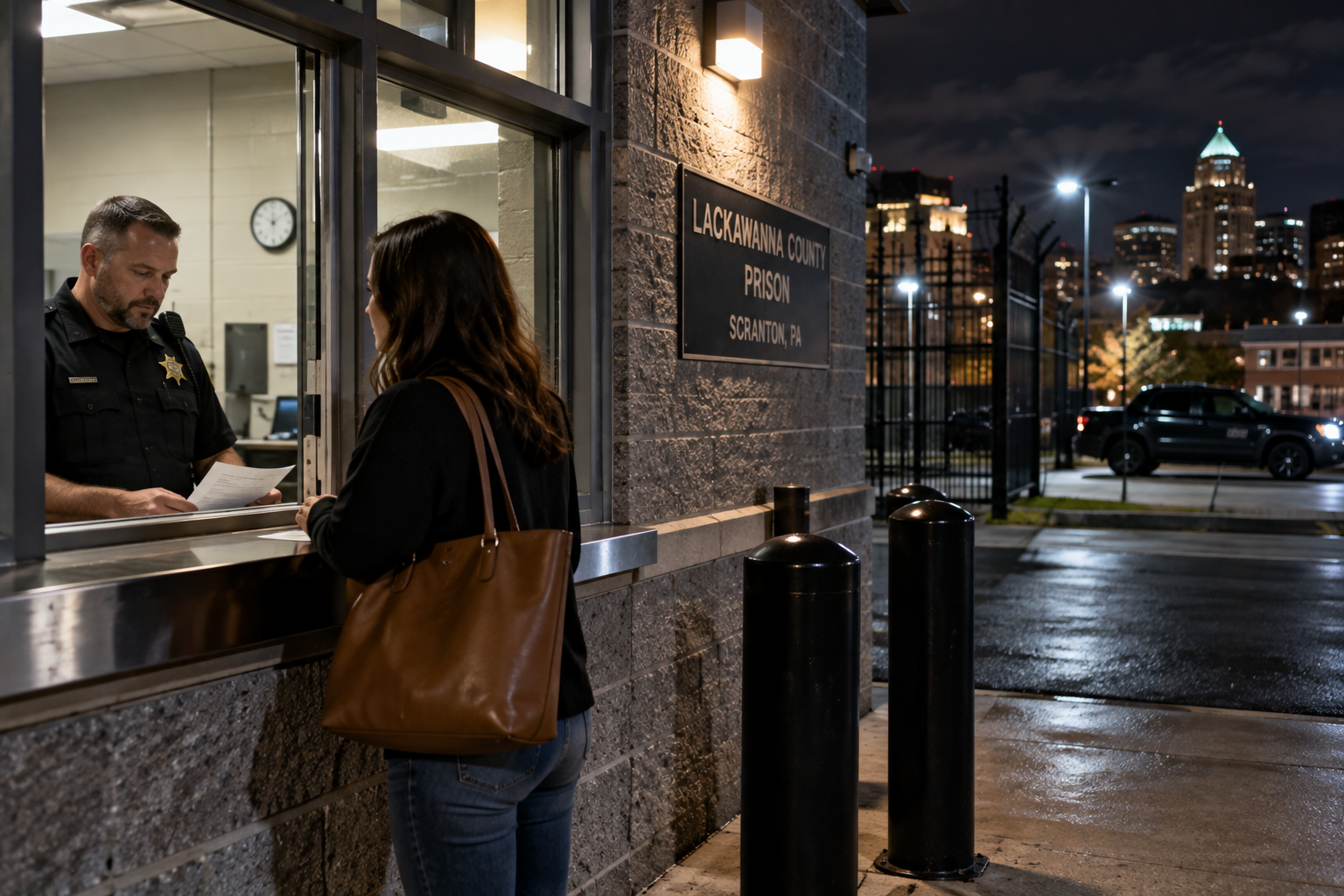
When someone gets arrested, everything feels urgent. Before you contact a bail bondsman, it's good to know how bail works, what it might cost, and what you might need to do as a defendant or co-signer. For a quick start, check out our bail bond services page to see how we can help families manage the first hours after an arrest. You might also find our step-by-step arrest guide handy for more details.
This guide is here to make things simple. You'll learn what a bail bondsman does, how premiums and collateral work, and what current trends mean for you. Plus, we'll help you avoid common mistakes that could lead to more stress or financial issues. We'll also point you to reliable resources like the Cornell Legal Information Institute for a legal definition of the role and the U.S. Courts glossary for broader court terms.
What a Bail Bondsman Does and Why It Matters
The Basic Role in the Bail Process
A bail bondsman provides a surety bond to the court so a defendant can be released without paying the full bail amount upfront. In simple terms, the bondsman promises the court that the defendant will return for required hearings, and the bondsman charges a fee for taking on that risk. According to legal reference materials, the arrangement is not a loan to the defendant; it's a contract with conditions that must be followed closely.
This role is important because many people can't pay bail in full. Research shows a significant share of defendants who use bonds need help to cover the amount set by the court. That's why bail bond services are a key part of the legal services landscape, especially in urgent situations where time, money, and court deadlines all collide.
Why Families Often Turn to a Bondsman
Families usually contact a bondsman when they need a quicker path to release than they can get with cash bail alone. The process can reduce the immediate financial burden, but it also creates new responsibilities. Co-signers might have to guarantee the defendant’s appearance, provide contact information, and help make sure the defendant follows all court conditions.
If you're not sure whether a bond is right for you, it might help to compare the situation with alternatives discussed in our practical guide for families who can't afford bail. That article can help you think through release options before you commit to a premium or collateral agreement.
How Bail Bond Costs Really Work
The Standard Premium and What It Covers
One big misconception about bail bonds is that the premium is refundable. Most of the time, it's not. Bail bondsmen usually charge a non-refundable premium of 10% to 15% of the full bail amount. This fee compensates the bondsman for the service and risk involved. Some cases might also include administrative fees, travel costs, or charges for paperwork and processing.
Before signing anything, ask for a written explanation of every cost. If the bail amount is $20,000, a 10% premium could mean $2,000 out of pocket immediately, while a 15% premium would raise that to $3,000. For many families, understanding that difference is just as important as knowing the court date itself.
Why the Cheapest Option Isn't Always the Best
It's tempting to focus only on price, especially when money is tight. But the cheapest quote isn't always the safest choice if the provider lacks transparency, responsiveness, or clear communication. Service quality matters when deadlines are tight and court conditions are complicated, which is why many families value professionalism as much as cost.
Industry examples reinforce this point. In one 2026 report, 8-Ball Bail Bonds in Las Vegas was highlighted for leading in multiple service categories, a reminder that reliability, clarity, and client support can distinguish a strong provider from the rest. In practical terms, a bondsman who explains the process clearly may save you time, prevent errors, and reduce the risk of missed obligations.
What the Numbers Say About the Industry
The bail bonds industry in the United States made about $3 billion in annual revenue in 2023, with projections showing continued growth through 2030. That scale shows the industry remains deeply tied to the pretrial system. It also suggests ongoing demand for knowledgeable agents who can guide people through stressful and time-sensitive situations.
At the same time, the industry is changing. As of 2026, 68% of bail agents were using digital platforms for applications, 50% had moved to paperless documentation, and mobile-first workflows were growing at a 22% five-year rate. These shifts matter because speed and access are now part of the service standard, not just extras.
Collateral, Co-Signers, and the Risks You Must Understand
Why Collateral May Be Required
Many bondsmen require collateral to secure the bond. Collateral can include a vehicle title, real estate equity, jewelry, cash, or other valuable assets. This protects the bondsman if the defendant fails to appear in court or if the bond becomes forfeited.
Because collateral can be at risk, you should always ask exactly when it could be claimed, how it is held, and how it is returned. Some agreements are straightforward, but others include detailed conditions that can be easy to overlook in an emergency. If you are considering a bond and want more support at the hearing stage, our in-court assistance service may also help clients stay organized and prepared before, during, and after court appearances.
What Co-Signers Are Agreeing To
Co-signers aren't just helping out; they're taking on a serious legal and financial role. By signing, they may become responsible for ensuring the defendant appears in court and follows the terms of the bond. If the defendant skips a hearing or breaks the agreement, the co-signer may face financial consequences and pressure to help locate the defendant.
This is why no one should co-sign without first reading the agreement carefully and asking questions. If the language is confusing, ask the bondsman to explain it in plain English. A good provider should be willing to walk through the terms without rushing you.
Failure to Appear and What Happens Next
If the defendant fails to appear in court, the consequences can be serious. According to Cornell Law’s description of the role, the bondsman may keep the premium but can lose the amount paid to the court unless the person is located and returned. The court may also issue a warrant, and the bond may be forfeited if the situation is not corrected quickly.
That is why communication matters so much after release. If a date is missed or a hearing is unclear, acting immediately can make a major difference. Our missed court date guide explains the next steps in a practical way for families who need help fast.
Regulations, Licensing, and State Differences
Why Bail Bond Rules Vary by State
Bail bond laws aren't the same everywhere, and state rules can change quickly. Some states strictly regulate licensing, fees, and court approval requirements, while others impose different limits or conditions. This makes it essential to work with a provider who understands the local legal environment rather than relying on generic advice from the internet.
For example, Tennessee implemented a state licensing system for bail bondsmen in March 2026 that requires both a state-issued license and court approval in each county where bonds are written. That type of change shows how quickly compliance standards can evolve and why local knowledge matters.
What Pennsylvania Families Should Know
In Pennsylvania, bail bond services are regulated at the state level, so local practice still depends on statewide rules and court expectations. Families in and around Scranton should verify that any bondsman they contact understands current requirements, fees, and paperwork. A provider with local experience is often better positioned to respond to time-sensitive questions and to help avoid procedural mistakes.
If you are comparing options, it can help to review our guide to how bail amounts are determined. Understanding how the original bail is set will make the bond conversation easier and may help you ask smarter questions before signing.
Why Compliance Protects Everyone Involved
Compliance isn't just about rules; it protects the defendant, the co-signer, and the court process. A licensed, transparent bondsman is more likely to provide accurate paperwork, explain deadlines, and avoid confusion that could create expensive problems later. In a stressful situation, reliability is often more valuable than speed alone.
If you want to compare what professional training looks like in this field, our bail bondsman training page gives insight into the standards that responsible agents are expected to meet. Better-trained professionals usually communicate more clearly and handle cases with greater consistency.
Digital Bail Bond Services Are Changing the Experience
Paperless Paperwork and Faster Communication
Digital transformation is reshaping the bail process. More agencies are using digital applications, paperless forms, and mobile-based workflows to reduce delays and make the process easier for families who are already under pressure. This can mean faster document submission, easier follow-up, and fewer in-person visits when time is limited.
These tools are especially helpful when the jail, the court, and the family are all in different places. The ability to complete forms electronically can reduce errors caused by rushed handwriting, missing signatures, or incomplete information. In a system where every hour matters, small efficiencies can create major relief.
Why Mobile Access Matters During an Emergency
Mobile-first systems are becoming more common because people usually search for help on their phones during a crisis. If a provider can answer calls, collect information, and move a case forward from a smartphone or tablet, the family may experience less delay. That responsiveness is increasingly part of what people expect from modern legal services.
For that reason, digital convenience should not replace human judgment, but it can support it. The best providers combine fast communication with careful review, so families get both speed and clarity when they need it most.
How to Use Technology Wisely
Even if a bondsman offers digital forms, you should still read every document carefully before signing. Make sure names, dates, bail amounts, and contact details are correct. Keep copies of everything, including receipts, bond paperwork, and any instructions about court dates or check-ins.
Technology can help the process move faster, but it cannot replace due diligence. If anything is unclear, ask questions before you submit the form. A few extra minutes of review can prevent a major mistake later.
Questions to Ask Before You Sign Anything
About Fees and Payment Terms
Before you commit, ask what the premium is, whether there are any extra charges, and whether payment plans are available. Also ask whether the fee is refundable in any circumstance, and get the answer in writing. Clarity now is much better than conflict later.
It can also help to ask how the bondsman handles returned collateral, late payments, and paperwork corrections. These details may not seem urgent in the moment, but they matter once the defendant is released and the bond is active.
About Court Obligations and Communication
Ask what happens if the defendant misses a court date, changes addresses, or faces a schedule conflict. Find out how the bondsman prefers to communicate and how quickly the office responds after hours. Strong communication can be the difference between a manageable issue and a costly emergency.
Depending on your situation, in-court support may also be valuable. Services like in-court assistance can help clients stay prepared for hearings and reduce confusion about what comes next. The goal is to stay organized before problems have a chance to grow.
About Local Experience and Availability
Ask whether the bondsman knows the local jail, courthouse procedures, and county-level expectations. Local familiarity can matter more than flashy advertising because it often shortens response time and improves communication. You should also confirm whether the provider is available 24/7, since arrests do not happen on a convenient schedule.
When you are choosing a provider, responsiveness is a form of support. A bondsman who answers promptly and explains the process clearly can reduce fear and uncertainty during one of the most stressful moments a family may face.
Real-World Scenarios That Show Why Preparation Matters
Example One: A Family That Acts Quickly
Imagine a parent calls a bondsman after a loved one is arrested late at night. The provider explains the premium, requests basic information, and sends digital paperwork immediately. Because the family understands the bond terms and responds quickly, the defendant is released faster and arrives at court prepared.
This kind of result is not guaranteed, but it shows how preparation can shorten delays. When families understand the process, they are more likely to avoid mistakes, provide accurate information, and move efficiently through the release process.
Example Two: A Co-Signer Who Asks the Right Questions
Now imagine a sibling is asked to co-sign but pauses to review the contract carefully. They ask about collateral, court dates, and what happens if there is a missed appearance. That extra caution helps them avoid signing a vague agreement they do not understand.
This is the kind of careful thinking that protects both relationships and finances. In the bail world, urgency is real, but a few smart questions can prevent much larger problems.
Example Three: A Service Decision Based on Trust, Not Pressure
A family may receive several offers, but they choose a provider who explains the process calmly rather than pushing for a quick signature. That provider may not be the cheapest, but the family feels more confident because the expectations are clear. Over time, that trust can matter just as much as price.
In legal services, trust is built through transparency, not pressure. Families are usually better served by a bondsman who educates first and sells second.
How to Protect Yourself and Move Forward Confidently
Keep Records and Follow Instructions
Once the bond is active, keep every document in one place. Save receipts, court notices, contact numbers, and any written instructions from the bondsman. Put court dates in your calendar immediately and share them with everyone involved so no one depends on memory alone.
If you need help staying organized around hearings, our in-court assistance service can add an extra layer of support. Families often feel more confident when someone experienced is available to help them stay on track.
Communicate Early if Problems Arise
If the defendant has trouble making a hearing, if contact information changes, or if travel becomes an issue, reach out immediately. Waiting until the last minute makes solutions harder to find. Early communication shows responsibility and can sometimes prevent a small issue from becoming a bond violation.
This is also where local support can make a difference. A provider familiar with the court system and the surrounding counties can often help guide next steps more efficiently than someone who only offers general advice.
Know When to Seek More Information
If you are still unsure about whether to proceed, take a moment to review educational resources and compare them with the specifics of your case. The National Center for State Courts is a useful source for understanding court system basics, while local providers can explain how those principles apply in your area. Learning a little now can save time, money, and stress later.
For readers in northeastern Pennsylvania who want dependable help during an urgent situation, Ace1 Bail Bonds LLC offers support designed to make the process easier to understand. Whether you need guidance on the bond itself or help preparing for court, the right team can make the experience far less overwhelming.
Final Takeaways Before You Contact a Bail Bondsman
Focus on Clarity, Not Just Speed
When you are deciding whether to contact a bail bondsman, the most important thing is not just how quickly they answer the phone. It is whether they explain the premium, collateral, responsibilities, and court obligations clearly enough for you to make a sound decision. A rushed signature can lead to avoidable stress later.
Choose a Provider Who Communicates Well
The best bondsman is often the one who stays calm, answers questions directly, and gives you the information you need without pressure. Clear communication is essential because the process involves legal deadlines, financial commitments, and personal trust. If a provider is difficult to reach now, that is a warning sign for later.
Take the Next Step with Confidence
If you are facing an arrest situation now, take a deep breath, gather the basic facts, and ask the right questions before signing anything. If you need fast, reliable support, contact Ace1 Bail Bonds LLC at (570) 561-2033 or visit our website to learn more about available options. You can also review our guide to why bail bonds can speed up release for additional context.
Understanding the system before you act is the best way to protect your freedom, your finances, and your peace of mind. With the right information and the right support, you can move through the bail process with greater confidence and less confusion.