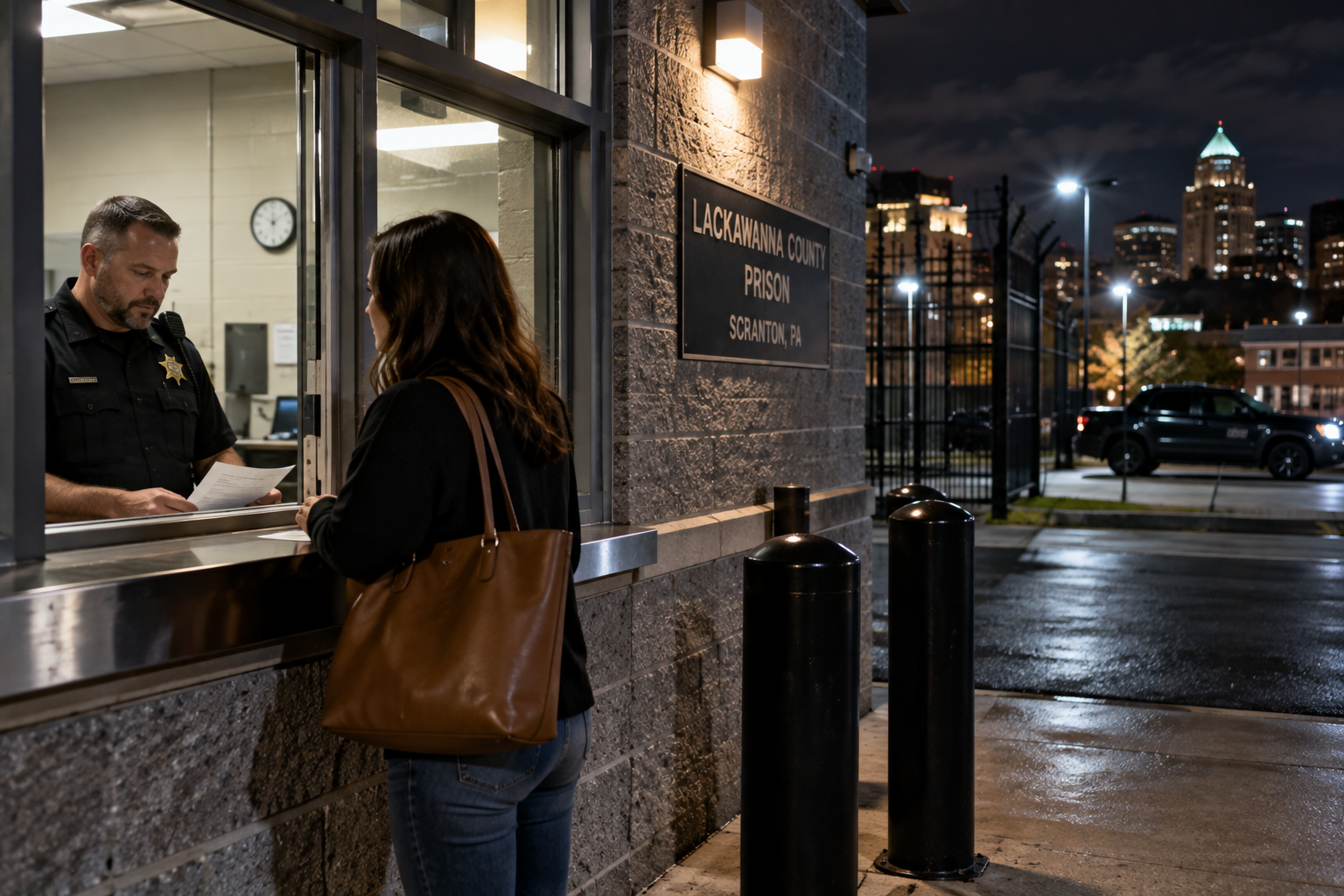
What to Do If Your Loved One Is Arrested in Scranton, PA
If someone you care about gets arrested, it can feel like a whirlwind of confusion and stress. It's hard to know who to call, what to do first, or how to help without making things worse. But staying calm and organized can really help, especially when you're looking for quick advice on bail bond services and the next steps to take.
This guide will help you figure out what to do first, what to avoid, and how to support your loved one while keeping their rights and your sanity intact. Along the way, you’ll find useful resources like the U.S. Courts bond information page and Pennsylvania’s official judicial site to help you understand the process. If you need direct help, Ace1 Bail Bonds LLC offers in-court assistance to guide families through this process.
Stay Calm and Gather Information
Find Out Where They Are
Your first move should be locating where your loved one is being held. Get their full legal name, date of birth, and the time of arrest if you can. Many facilities may not give you detailed info, but they can confirm if the person is in custody and where.
If you're not sure where to start, contact the arresting police department or sheriff’s office and ask about the booking location. Sometimes, they get transferred, so checking back can save time. Keep track of the facility name, booking number, and charges; this will help when you talk to a bail bondsman or attorney.
Write Down the Charges
Understanding the charges is crucial since they affect the bail amount, release conditions, and the next court date. Try to find out what the charges are, if they’re misdemeanors or felonies, and if there are additional holds. List multiple charges separately so you can explain them clearly to anyone helping you.
Also, note if your loved one has prior court dates, outstanding warrants, or probation issues. These details can change the release process significantly, and having complete notes helps you make informed decisions quickly.
What Happens After Arrest and Booking
Booking Isn’t Just Paperwork
After an arrest, booking usually involves fingerprinting, photos, background checks, and taking inventory of personal items. This process often sets the stage for arraignment or a bail decision.
For more details on this stage, check out our step-by-step guide. Knowing what happens next can ease panic and help you coordinate calls and transportation better. You can also explore Pennsylvania’s Unified Judicial System for official court procedures.
Arraignment and Bail
The next big step is usually the arraignment, where a judge reviews the charges and sets release conditions. This might include cash bail, a bond, or release on recognizance. Timing varies, so it's essential to be ready for this hearing.
Having a plan matters here. If bail is set, you might need to decide whether to pay it in full, contact a bondsman, or explore legal alternatives. Our guide on bail amounts offers a clearer explanation.
What to Do If Bail Is Set
Cash Bail vs. Bail Bond
Once bail is set, you’ll face the choice of paying the full amount or using a bond. Cash bail involves covering the entire amount directly, while a bail bond usually requires a percentage and a bondsman to help with release. For many, a bond is more realistic since it doesn’t tie up all your cash.
Think about speed, cost, and risk. Cash bail might be refunded, but it needs a lot upfront. A bond involves fees and might need a co-signer, but it can get your loved one home faster. That’s why many choose professional bail bond support when the clock is ticking.
Questions to Ask Before Signing
If you contact a bail bondsman, ask what documents you need, what the premium is, if collateral is required, and how long it all takes. Check about court reminders, payment plans, and what happens if the defendant misses court. Knowing these answers early can prevent headaches later.
If this is new to you, our guide on contacting a bail bondsman breaks down common terms and helps make the conversation less intimidating.
Protect Rights and Decisions
Be Careful on Jail Phones
It's natural to want to comfort your loved one, but be cautious about what you say on recorded jail calls. These calls might be monitored and could be used in court. Keep your words supportive and practical, and avoid talking about the case in detail without legal advice.
Focus on their immediate needs: where they are, if they have medical concerns, and how you’ll help with release. If you need structured help, in-court assistance can help you stay organized with hearings and court responsibilities.
Contact a Lawyer When Needed
Not every arrest needs the same legal response, but most people benefit from speaking with a criminal defense attorney quickly. An attorney can clarify the charges, court deadlines, possible defenses, and any special conditions tied to release. If your loved one has prior charges or other concerns, legal advice is even more vital.
For general legal info, check out USA.gov's resource on criminal records to understand how records can impact future opportunities. While it’s not a substitute for legal advice, it can help you see why acting quickly is essential.
Plan for the Next 24 Hours
Assign a Point of Contact
If several family members are involved, things can get chaotic. Pick one person to gather updates, handle paperwork, and manage transportation or childcare if needed. Keeping tasks divided helps avoid repeated calls and missed details.
Create a simple checklist with the jail name, booking number, court date, attorney contact, and bond details. Staying organized can help when release depends on meeting deadlines or paperwork.
Prepare for Immediate Costs
Even with a bond, there might be costs after release. Your loved one might need a ride, clothes, meds, or even a phone charger. Thinking about these basics ahead of time can make the first night home smoother.
If money is tight, our guide on affording bail might offer helpful options. Planning can reduce stress and help you focus on what really matters: getting through the next steps.
Avoid Common Mistakes
Paperwork and Information
One common delay is incomplete paperwork. If you’re asked for documents, provide them quickly and accurately. Mistakes like wrong birthdates or misspelled names can cause unnecessary delays.
Keep copies of ID, proof of address, and financial documents ready. Families often underestimate how much time they lose when basic details are missing, so a quick check can save hours.
Don’t Wait to Ask for Help
Hoping things resolve on their own isn't helpful. Delays can worsen when no one is coordinating the response. If you know bail might be set, reach out to professionals early.
For more on reducing delays, our article on avoiding jail release delays offers tips you can use right away. Acting fast can make the difference between a long night and a smooth release.
How Ace1 Bail Bonds LLC Helps
Fast and Clear Communication
When emotions run high, clear communication helps. Ace1 Bail Bonds LLC offers quick, reliable support so you know what to expect. This includes answering questions, explaining requirements, and helping you avoid common errors.
Arrests don’t always happen during business hours, so being ready matters. Our post on getting a bail bond anytime explains why 24/7 readiness is key.
Local Support and Court Familiarity
Families often feel better working with a team that knows local procedures and court expectations. Local knowledge helps reduce mistakes and streamline communication. This is crucial when you need to move quickly and keep your loved one informed.
Whether it’s a simple bond or a complex release, the right support should feel calm and practical. Ace1 Bail Bonds LLC is here to provide steady guidance during tough times, and we also offer bail bondsman training for those interested in the profession.
FAQs About What to Do After an Arrest
When Can I Find Out If Bail Has Been Set?
Timing depends on the facility, charge, and court schedule. Sometimes bail is set quickly, but other times it takes longer because the person must be processed or seen by a judge. Calling the jail, checking booking info, and monitoring updates are the fastest ways to stay informed.
Can I Post Bail If I'm Not a Relative?
Sometimes yes, but rules vary by facility and bond type. A bondsman might let a friend or trusted person help if requirements are met. Understand what you're signing up for because it can create financial and legal obligations.
What If My Loved One Has Court Dates Ahead?
Getting released is just the first step. They still need to go to court, follow conditions, and stay in touch with those managing the case. Missing dates can lead to warrants or bond issues, so set calendar reminders.
If you’re worried about future hearings, our guide on missing court dates explains what to do next. Being proactive can prevent bigger problems later.
Final Thoughts: Act Fast, Stay Organized, Ask for Help
Focus on the Next Step
When someone you love is arrested, you don’t have to solve everything at once. Your job is to gather facts, stay calm, protect their rights, and line up support. Small, steady actions often lead to faster release and less confusion.
Reach Out Before It Gets Harder
If bail is set or you expect it soon, don’t wait to get help. A responsive bondsman can explain the process, answer questions, and help your family move forward confidently. If you need support now, contact Ace1 Bail Bonds LLC for guidance when it matters most.
For more help, explore our resources, review court information, and keep communication organized. When the pressure is on, the right info and support can make all the difference. Reach out today and take that first step toward bringing your loved one home.