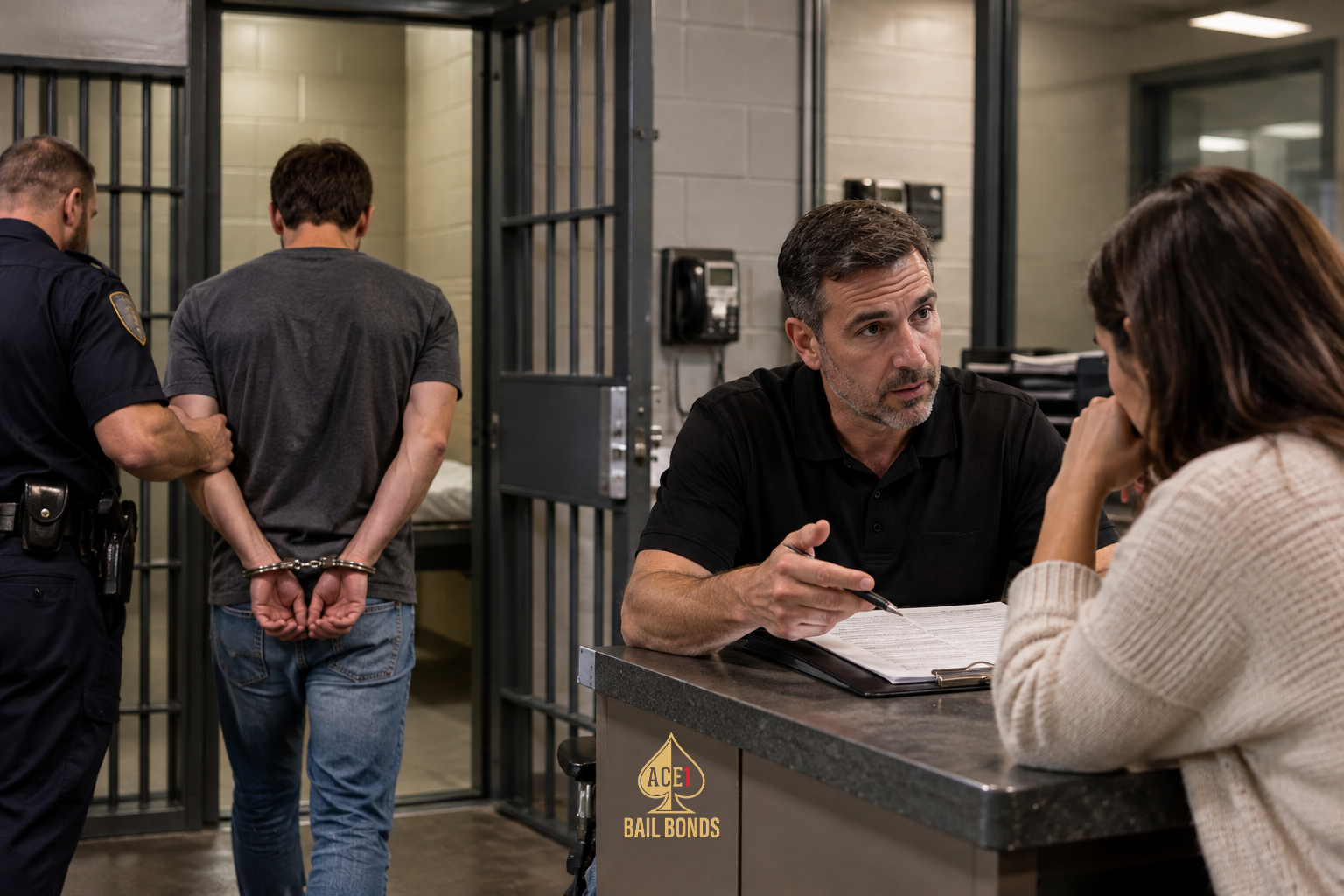
When someone gets arrested, the first thing on many families' minds is simple: How can we get them home quickly? If the court sets bail at an amount that's too high to pay out of pocket, a bail bond can be the practical solution to keep things moving. Instead of scraping together the full amount yourself, you might work with a licensed bondsman who posts the bond and helps you navigate the next steps. To understand what happens after bail is set, check out our guide, Bail Has Been Set. What Happens Next?
This guide breaks down how bail bonds work, why they exist, what they cost, and how families can make smart choices during a stressful time. We’ll also cover common mistakes, payment concerns, and the responsibilities that come with a bail bond. If you're looking for direct help, our bail bond services offer clear guidance and steady support when timing is crucial. If court dates and release terms have you confused, our in-court assistance can help you stay prepared and informed.
What Bail Is and Why It Can Feel Out of Reach
The purpose of bail in the criminal justice process
Bail is a financial condition the court uses to ensure a defendant returns for future hearings. Often, a judge sets the bail amount based on the charge, the person’s record, and the risk of skipping court. It's meant to keep the legal process moving, not to punish someone before trial. This is important because bail is about making sure someone comes back to court, not about proving guilt.
Why the full amount is often unrealistic
Even if bail is set fairly, the full amount might be more than a family can come up with quickly. Rent, groceries, car payments, and other bills don’t stop just because someone gets arrested. Many families don’t have a lot of cash sitting around for emergencies. That's why bail bonds are so helpful: they provide a way forward without forcing families to drain their savings or sell their stuff in a panic.
How judges decide the amount
Courts consider things like the seriousness of the charge, flight risk, community ties, and past court appearances. For a deeper dive into how these numbers are figured out, check out our article Complete Guide to How Bail Amounts Are Determined and What You Can Expect. In some places, judges also use bail schedules or pretrial recommendations. Even then, the amount can still be tough for families to handle quickly.
How a Bail Bond Works
The basic idea behind the bond
A bail bond is an agreement where a licensed bail agent posts bail for the defendant. Instead of paying the full bail amount to the court, the family pays a percentage fee to the bondsman. This fee is usually non-refundable because it covers the service and the risk the company takes on. In return, the defendant is released while the case goes through the court system.
What the bondsman actually does
The bondsman does more than just fill out paperwork. They check information, explain the agreement, collect the fee, and help coordinate the release process. Sometimes, they also help families understand what to expect from the jail and the court, and when the next hearing is. A good bondsman becomes a support system, not just a transaction. If you're looking for quick help near you, our Scranton location offers local support with a client-first approach.
Why this option helps families move faster
Time is a big reason people choose a bail bond. The longer someone stays in jail, the more disruptive it is for work, childcare, and daily life. A bond can speed things up by giving families a practical payment option and a clearer release path. For many, that speed can be the difference between a stable week and a financial crisis.
For those comparing paying full bail to using a bond, our article How Bail Bonds Get You Out Quicker Than Paying Full Bail explains the time-saving benefits. The sooner the bond is arranged, the sooner the jail can process the release paperwork.
When a Bail Bond Makes Sense
When cash flow is limited
Most families use a bail bond because they can’t pay the whole bail amount right away. Even families with a steady income might not have that kind of cash on hand. A bail bond spreads the cost into a smaller, more manageable payment. This allows people to protect their savings while still acting quickly.
When the arrest happens outside regular hours
Arrests don’t follow a business schedule, and many bail situations don’t either. Nighttime, weekend, and holiday arrests can be especially stressful because there are fewer places to turn. If that sounds familiar, check out our guide Your Guide to Getting a Bail Bond Anytime in Scranton, PA to see how after-hours help works and what you should prepare for in advance. In emergencies, a responsive service can make the whole experience more manageable.
When speed matters more than waiting to gather funds
Sometimes families could technically raise the full amount, but not fast enough to avoid unnecessary jail time. In those cases, using a bail bond can be the better choice. It cuts down on delays and gives the family time to organize the rest of the situation, like work absences, childcare, transportation, and getting ready for the first court date.
What the Costs and Responsibilities Really Mean
Understanding the premium
The premium is the fee you pay the bail bond company to post the bond. This amount is usually a small percentage of the total bail, and it’s typically set by state rules. Remember, the premium isn’t returned at the end of the case, even if the defendant shows up for every court date. So, ask questions before signing anything.
Collateral and when it may be required
Some bonds are secured only with the premium and a co-signer, while others need collateral. Collateral can include property, a vehicle, or another asset to reduce the risk to the bondsman. Not every case requires it, but when it does, discuss the terms clearly. Transparency is key because families need to know what’s being pledged and when it can be returned.
The co-signer’s role
A co-signer usually agrees to help ensure the defendant appears in court and follows the bond conditions. This person might take on financial responsibility if the agreement is broken. Because of that, co-signers should never feel pressured to sign without understanding the consequences. If you’re new to this process, our article What You Need to Know Before Contacting a Bail Bondsman can help you prepare the right questions before deciding.
For a neutral overview of bail and pretrial release, the U.S. Courts website is a useful public resource, and the Office of Justice Programs provides more information on justice system topics. These sources can help families better understand the legal context beyond word of mouth.
How to Choose the Right Bail Bond Help
Look for clear communication
During a stressful arrest, confusion is the last thing you need. The right bail bond professional should explain the process in simple terms and answer your questions directly. They should tell you what information is needed, what the next step is, and what timeline to expect. Clear communication is a must here; it’s part of good service.
Choose someone who understands local court procedures
Local knowledge can save time because different jails and courts have slightly different procedures. A bondsman who regularly works in local systems might know how to avoid common delays and coordinate paperwork more efficiently. This can be especially helpful for families in a hurry. If you want support close to home, our Downtown Scranton team is ready to help with timely communication and local know-how.
Ask about availability and support
Problems don’t always happen during office hours. A reliable provider should have a process for urgent calls and a way to keep families informed. Some situations also need support after the bond is posted, like reminders about court dates or guidance on next steps. That level of service can prevent small issues from becoming big problems later on.
What Happens After the Bond Is Posted
The release process still takes time
Once the bond is accepted, the defendant is not released immediately. Jail staff still need to process records, verify paperwork, and complete administrative steps. Depending on the facility, this can take several hours. Families should prepare for a short wait and stay reachable in case more information is needed.
Why court compliance becomes critical
After release, the defendant must follow all court rules, including hearing dates, travel restrictions, and any special conditions set by the judge. Missing a court date can lead to serious consequences, like a bench warrant and possible forfeiture. Our article What to Do If You Miss a Court Date After Bail in Scranton, PA explains what to do if that happens. The key takeaway is simple: staying organized protects everyone involved.
Why court-date reminders matter
Many families juggle work, school, and caregiving, so reminders are essential. Some bondsmen provide reminder support, but families should also keep personal records and phone alarms. A missed date can be expensive and stressful, and it may create legal issues that are avoidable with planning. Simple organization can make a big difference.
For additional legal background, the American Bar Association Criminal Justice Section provides educational material about the justice process and pretrial issues. While not a substitute for legal advice, it can help readers better understand how bail fits into the broader court system.
Common Mistakes Families Should Avoid
Waiting too long to ask for help
One of the most common mistakes is waiting until the situation becomes more complicated. The sooner families contact a bondsman, the faster they can understand their options. Delays can create more stress, especially if paperwork or payment arrangements take time to confirm. Acting quickly doesn’t solve everything, but it often prevents avoidable problems.
Not reading the agreement carefully
Every bond agreement has terms that matter, especially regarding payment obligations and court appearances. Families should read the documents, ask questions, and make sure they understand what's expected. If anything seems unclear, it should be explained before signing. Good service should feel informative, not rushed.
Assuming the bond ends the responsibility
Posting the bond is only the beginning. The defendant still has to meet every court requirement, and the co-signer still has an ongoing stake in the case. Families who treat release like the finish line may miss important obligations later. A better mindset is to think of the bond as a bridge from jail to the next legal step.
A Simple Step-by-Step Guide for Families
Step 1: Gather the basic information
When you call a bondsman, have the defendant’s full name, booking location, and bail amount if you know it. Having these details ready can save time and reduce back-and-forth. If possible, also note the charge, jail facility, and any court date already scheduled. Even partial information can help move the process forward.
Step 2: Ask about the payment options
Before agreeing to anything, ask about the premium, whether collateral is required, and what forms of payment are accepted. Different cases can have different requirements, so it’s worth getting the details in writing. Families under stress often want the quickest answer, but a few extra questions can prevent confusion later.
Step 3: Stay ready for release instructions
After the bond is posted, follow the release instructions carefully. Make sure someone can receive the defendant when the jail finishes processing, and plan for transportation, clothing, and a safe place to go. If there are special court conditions, write them down immediately. Preparation helps the person transition home smoothly and responsibly.
Why Local Support Matters in a Stressful Moment
Fast response can reduce family pressure
When someone is sitting in jail, every hour feels longer than the last. A local team can often respond faster, communicate more clearly, and understand nearby court systems more effectively. That responsiveness can reduce uncertainty for everyone involved. Families need solutions, but they also need reassurance that someone is paying attention.
Community familiarity adds value
Local service providers often understand the rhythm of nearby facilities, traffic patterns, and courthouse procedures. That experience may not sound dramatic, but it can help prevent delays and miscommunication. It also makes the process feel less intimidating for families who have never dealt with bail before. For people in nearby areas, our coverage extends beyond one neighborhood and includes communities such as West Scranton and Dunmore.
Support should feel respectful, not judgmental
Arrest affects real people with jobs, families, and responsibilities. A quality bail bond experience should reflect that reality with compassion and professionalism. Clear explanations, respectful communication, and practical guidance all help families move forward. In stressful situations, being treated like a person instead of a case number matters more than many people realize.
Frequently Asked Questions About Bail Bonds
Is a bail bond cheaper than paying full bail?
In many cases, yes. A bail bond usually requires only a percentage of the full bail amount, which can make immediate release more affordable. However, the premium is generally not refunded, so families should understand the long-term cost before deciding. The goal is not to spend less in every scenario, but to make release possible when full payment is out of reach.
Can a bail bond be denied?
Yes, certain situations may make a bond harder to arrange, such as missing information, high risk factors, or legal restrictions. That does not always mean there are no options, but it may change the terms. A good provider should explain what is possible and what additional information is needed. Honest communication is especially important when a case is complicated.
What if the defendant moves or misses court?
Missing court can trigger serious consequences, and moving without notifying the bondsman may create problems too. The defendant should follow all requirements exactly and stay in contact if circumstances change. If a hearing is missed, families should act quickly rather than wait for the problem to get worse. Our article What Happens If You Can’t Afford Bail? A Practical Guide for Scranton Families offers additional context for families dealing with tight finances and tough decisions.
For a broader legal perspective, the Nolo legal encyclopedia provides general educational information about bail bonds, while the Bureau of Justice Assistance offers publicly available resources on justice-system practices. These resources can be helpful when you want to compare options and understand the process more fully.
Conclusion: A Bail Bond Can Be the Bridge to Stability
If you can't afford the full bail amount, that doesn't mean you're out of options. A bail bond can provide a faster, more realistic path to release while giving families room to manage finances and responsibilities. The most important thing is to work with a provider that communicates clearly, explains the agreement, and helps you stay organized from start to finish.
Whether you need immediate support, local guidance, or help understanding court obligations, the right team can make a stressful situation feel more manageable. If you're ready to move forward, contact Ace1 Bail Bonds LLC for responsive help, practical answers, and trusted support. Learn more about our bail bond services or call us at (570) 561-2033 for assistance when it matters most.